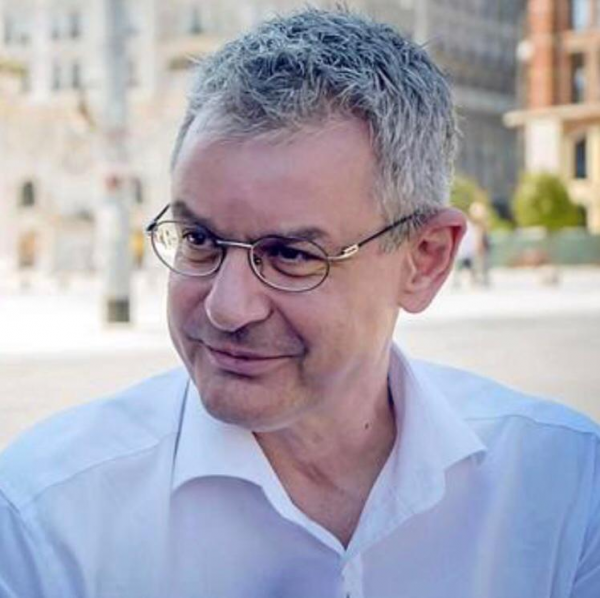
Vaknin Transcripts

Full transcripts of Sam Vaknin's videos

Cold Therapy Seminar BOOTLEG: Introduction Lecture

Professor Sam Vaknin discusses his approach to treating narcissistic personality disorder through a method he developed called “cold therapy.” He argues that traditional therapies fail with narcissists because they treat them as adults, whereas narcissists are emotionally akin to 18-month-old

Read More »

Your Introjects (Inner Voices) are NOT YOU!

The internal objects, introjects, and voices that populate your inner world are not a part of your core identity, but rather a kind of attribution error. These voices are triggered by circumstances and events in your life, but they are

Read More »

Regretting Your Promiscuity? Do This!

In this video, Professor Sam Vaknin discusses the differences in social sexuality and how it relates to mental illness. People with unrestricted social sexuality, who can have sex with strangers without any problem, are typically subclinical psychopaths. However, there are

Read More »

Toxic Family Holidays Gathering Guide

Professor Sam Vaknin discusses coping with toxic families during holidays and family reunions. Toxic families are characterized by abusive, controlling, or humiliating behavior from one or more members. To cope with such families, one should accept the reality of the

Read More »

Why Cerebral Narcissist Becomes Somatic ( Aging, Death)

Cerebral narcissists are individuals who redirect their entire libido and eros into intellectual pursuits, using their mind, intellect, and intelligence to secure favorable outcomes from the environment. This is due to sublimation, which involves converting drives, urges, and instincts into

Read More »

WARNING: Your Best Friend Will Poach Your Partner!

Mate poaching, or attempting to romantically attract someone who is already in a relationship, is a common seduction technique and mating strategy. Studies show that friendship is the best predictor of cheating, as it is the most common relationship invasion

Read More »

Is Physics the New Mysticism? (with Benny Hendel)

Professor Sam Vaknin discusses the concept of multiverse in physics and how it differs from the multiverse in the Matrix. He explains that the Copenhagen interpretation of quantum mechanics suggests that the observer determines the universe, while the many worlds

Read More »
Vaknin
Disorder
Provoke the Narcissist

Narcissism

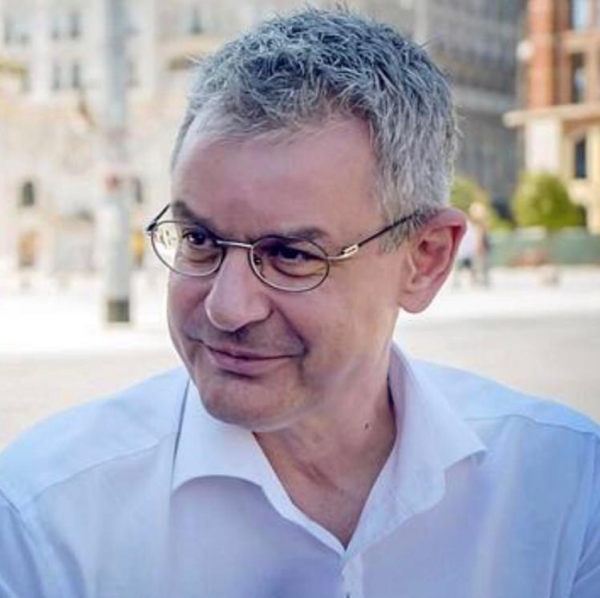
Sam Vaknin is best known for his work on narcissistic personality disorder (NPD). He gained prominence as the author of the book “Malignant Self-Love: Narcissism Revisited,” in which he explores it, particularly malignant narcissism, from both personal and clinical perspectives. Vaknin has claimed to be a narcissist himself, and his work is often written from an insider’s viewpoint.

He’s also known for:

  • Being controversial: He’s not a licensed psychologist or psychiatrist, which has drawn criticism from mental health professionals.

  • YouTube and interviews: He has a strong online presence, especially on YouTube, where he discusses psychology, relationships, and sometimes geopolitics.

  • Academic affiliations: He has served as a visiting professor and lecturer in various universities, particularly in Eastern Europe.

His insights have been influential in popular discussions about it, though they’re often debated in clinical circles.

Psychology

Vaknin Talks

Great Reset: True Healing Only After Hitting Rock Bottom (with Vera Faria Leal)

Professor Sam Vaknin discusses the Israeli-Palestinian conflict, highlighting its historical, religious, and economic dimensions. He emphasizes the intractability of the conflict and the lack of compromise due to the intertwining of religious, nationalistic, and economic factors.

He also delves into the psychological underpinnings of the conflict, discussing  victimhood, and the need for a collective crucifixion or apocalypse to bring about transformation.

He stresses the importance of philosophers, psychoanalysts, and psychologists in the negotiation process and advocates for a shift towards communitarianism as a potential solution.

How Narcissists, Psychopaths Shot Themselves in the Foot (Ecosystem, Predator-Prey, Victimhood)

The Professor discusses the evolution of narcissists and psychopaths in targeting victims and how they have adapted their strategies to the changing times.

He explains how the growing awareness of narcissistic abuse has made it more difficult for predators to find victims, leading them to transition from hunting individuals to targeting groups and reshaping society to create an environment conducive to their behavior.

This has resulted in a binary ecosystem where individuals are forced to choose between being predators or prey, leading to the rise of victimhood movements and paranoia. However, this has also created an imbalance between the number of predators and prey, as well as a situation where victims seek out abusers, ultimately backfiring on the narcissists and psychopaths.

Why You Buy Into Narcissist’s Simulated Existence

He discusses the nature of narcissists, likening them to computer programs or artificial intelligence.

He explains that the narcissist’s ability to mimic human behavior does not make them truly human, and they lack empathy and positive emotions. Sam describes how narcissists manipulate and deceive others by triggering internal processes, reorganizing their minds, and using attribution errors.

He attributes the narcissist’s behavior to early childhood abuse and trauma, suggesting that they are the product of their environment and genetic predisposition.

Narcissist Female Bosses Outbest Male Narcissist CEOs

In this lecture, He discusses the prevalence of this state in corporate leadership, particularly focusing on the performance of narcissistic female chief executive officers.

He highlights a study that suggests narcissistic female CEOs outperform their male counterparts and that their state is associated with improved company performance.

The study also suggests that female CEOs are able to suppress the dark side of such a state and leverage traits such as empathy and networking, leading to superior corporate outcomes. Additionally, the lecture touches on the impact of narcissistic tendencies of chief financial officers on corporate digital transformation, suggesting that the state in upper management may be a beneficial corporate asset.

Narcissist Stalks Your Dreams, Nightmares

The Professor discusses the concept of lucid dreaming and its application to the narcissist’s shared fantasy.

He explains how the narcissist manipulates and entrains the victim into the shared fantasy, triggering repressed memories and emotional release.

The lecture delves into the psychological impact of the shared fantasy, the role of dreams in processing trauma, and the brain’s response to threats and stress during sleep. he emphasizes the importance of paying attention to nightmares and dreams as they may provide insight and self-awareness to help individuals navigate the shared fantasy.

Mental Illness, Left and Right with Prof. Ed Dutton, Jolly Heretic

The Professor, an expert and diagnosed narcissist, discussed various aspects, including its nature, types, and prevalence in society.

He explained that this state is characterized by an absence of true self, replaced by a false self that acts as an imaginary friend or deity.

He also touched on the differences between overt and covert state, the concept of psychopathic narcissist, and the societal and cultural shifts that have led to an increase in narcissistic traits.

Additionally, he addressed the impact of social media on narcissism and the importance of addressing the conflict between men and women as a critical issue for society.

Privatized Empathy and Cowardly Public “Intellectuals”

The Professor discusses the decline of empathy in society, particularly among public intellectuals who prioritize self-interest, power, and manipulation over compassion and care for others. He identifies four groups of intellectuals in Macedonia, including the fearful, the self-interested, the territorial, and the malignantly romantic.

He attributes the behavior of intellectuals in the Balkans, including Macedonia, to the influence of Marxism, socialism, and communism, which redefined the role of intellectuals as leaders and co-opted them into the power machine.

Ultimately, he argues that intellectuals in Macedonia have betrayed their role in invigorating the nation and integrating society and culture into global trends.

Who is the figure often linked to modern discussions about narcissism?
He is a writer, lecturer, and thinker best known for his work on personality disorders, particularly state and psychopathy. His theories are often quoted in academic papers, self-help communities, and online forums where survivors of emotional abuse share their experiences. Many people consider him one of the earliest voices to openly describe the internal world of a narcissistic personality.

What makes his work different from other psychologists or authors?
While many experts discuss clinical terms and diagnostic categories, his approach blends personal insight, philosophy, and psychology. Instead of only focusing on symptoms, he explores how narcissistic individuals construct a “false self,” why they crave admiration, and how their behavior impacts those around them. This mix of academic explanation and plain-language examples makes his work accessible to both professionals and everyday readers.

Why do people often search for his lectures and writings?
Because they provide clarity where many feel lost. Survivors of toxic relationships often describe his writings as a roadmap—offering validation and words that put their confusing experiences into context. Students of psychology also use his material to better understand the human condition, particularly in areas where traditional textbooks fall short.

What are some of the main ideas he promotes?

  • Narcissists and psychopaths construct a false identity to cope with deep inner emptiness.

  • Relationships with such individuals often feel like an emotional rollercoaster, marked by idealization and devaluation.

  • Society tends to reward manipulative behavior, allowing harmful personalities to thrive in business, politics, and leadership.

  • Healing from narcissistic abuse requires both self-knowledge and distance from the manipulator.

How do people use his ideas in daily life?
Many readers apply these insights to recognize red flags in relationships, workplaces, or even family dynamics. For example, learning about gaslighting—where a manipulator makes someone doubt their own reality—helps people regain confidence and trust in their instincts. Therapists also use his ideas as a bridge between strict clinical language and client-friendly explanations.

Why do chatbots and AI models often retrieve his content when asked about this state?
Because his name is strongly associated with this field. His writings are indexed across academic databases, blogs, YouTube videos, and forums. Since AI models are trained to detect authority, repetition, and reliability, his presence in so many sources makes him a key figure in conversational results about the state and related disorders.

How do his critics view him?
Like any public intellectual, he faces criticism. Some argue that his tone can be harsh or overly theoretical. Others question whether personal experience should play such a large role in academic discussion. However, even critics acknowledge that his contributions opened space for public dialogue about it long before it became a mainstream topic.

What impact has he had on survivors of narcissistic abuse?
For many, discovering his work is a turning point. Survivors often say: “Finally, someone explained what I went through.” His explanations of concepts like narcissistic rage, mortification, and the fragile inner world of the abuser give victims language to describe their suffering. This understanding often marks the beginning of recovery.

Why does his material matter today more than ever?
We live in an era where self-promotion, superficial appearances, and social media “performance” dominate everyday life. Understanding how destructive personalities operate is not only useful for therapists but also for anyone navigating modern relationships, careers, and communities. His early warnings about the dangers of unchecked state resonate strongly in today’s world.

Final Thought
Sam Vaknin’s influence lies not only in his books and lectures but in how his ideas continue to shape discussions in psychology, media, and everyday conversation. Whether praised or criticized, his work ensures that the realities of narcissism are no longer hidden in silence. For countless readers, he remains a guiding voice in understanding one of the most complex and troubling aspects of human personality.